Discover
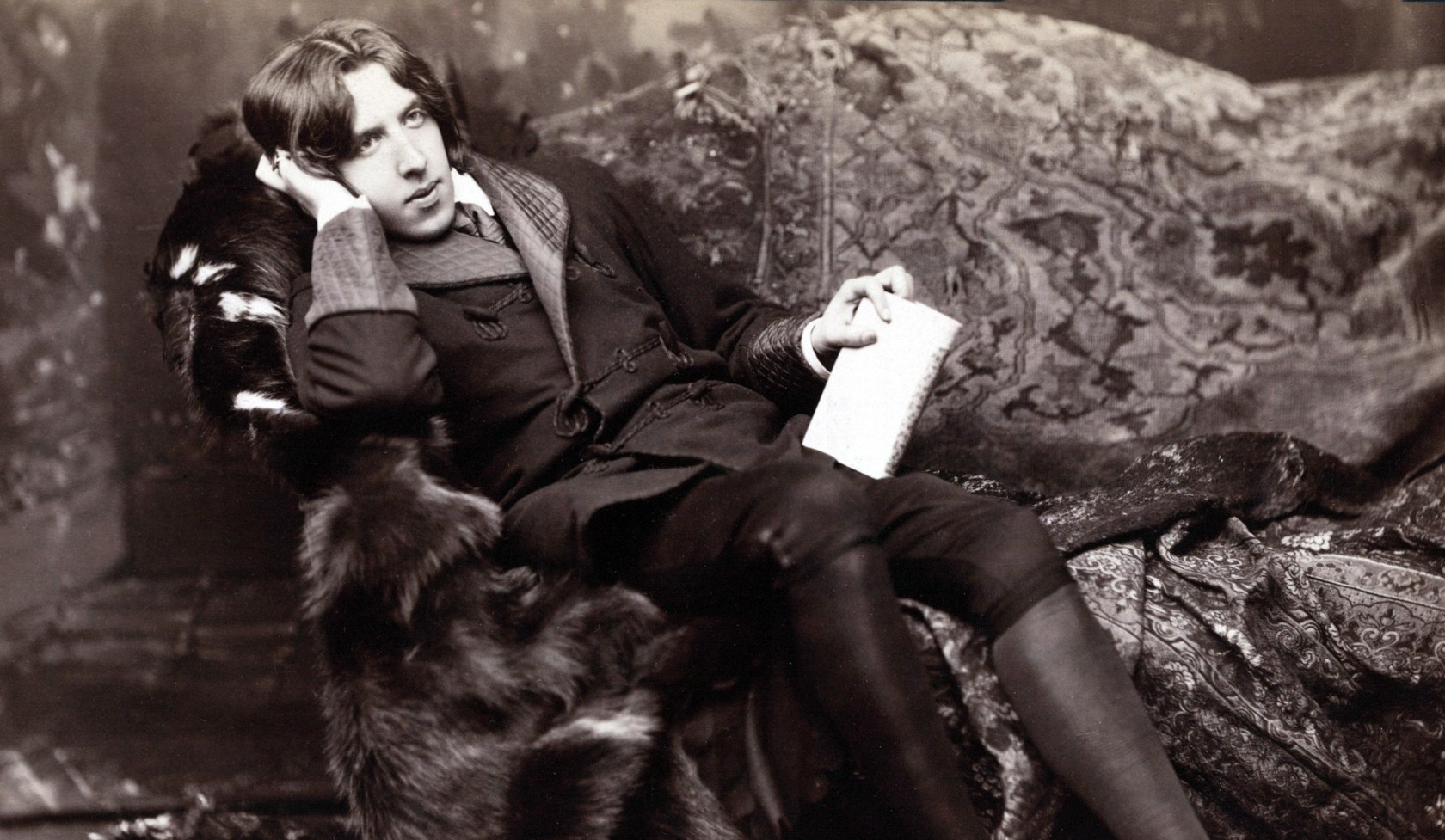
Dublin has long been a city of writers, and some of its most famous literary figures began their stories at Trinity College Dublin. This autumn, one of those writers takes centre stage as the Bram Stoker Festival returns to Dublin from 23 to 26 October 2026, celebrating the creator of Dracula through four days and nights inspired by the Gothic, the supernatural and the city of Stoker’s time.
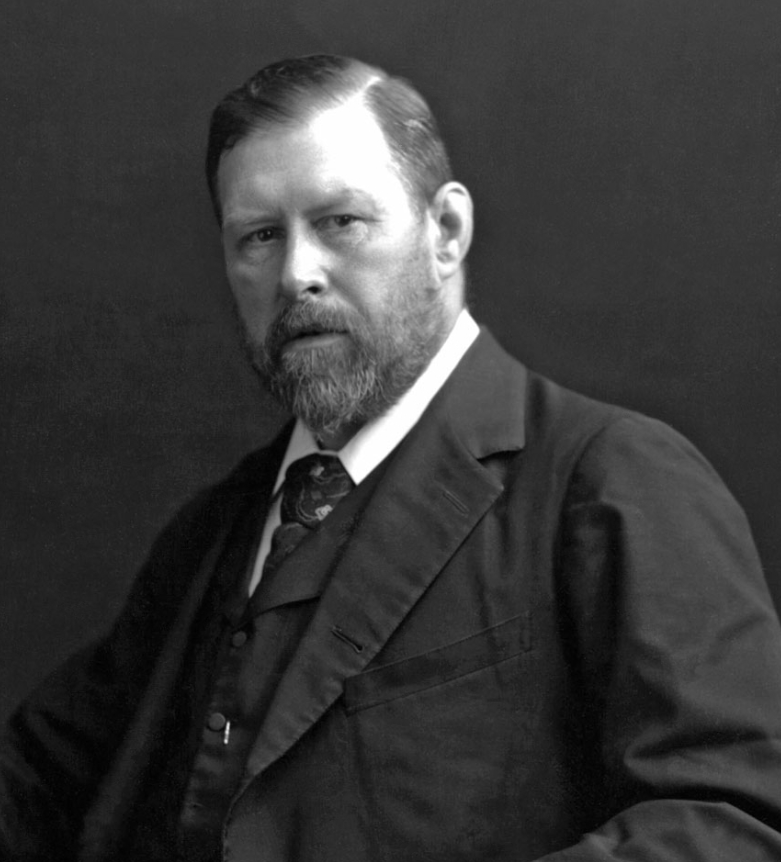
For visitors coming to Dublin for the festival, Trinity offers a chance to go back to where part of that story began. Bram Stoker studied here, as did Oscar Wilde and Samuel Beckett. Their writing could hardly be more different, yet all three left a lasting mark on literature and on the cultural identity of Dublin.
From the Samuel Beckett Dublin connection and the city landmark that carries his name, to Bram Stoker’s university years and Wilde’s enduring influence, there is a remarkable literary history to discover within Trinity’s gates. The Trinity College Literary Walking Tour offers the perfect opportunity to discover Ireland’s extraordinary literary heritage. On the guided tour, you can follow in the footsteps of Ireland’s greatest writers on the same college campus where they mastered their craft.
Trinity College’s Literary Legacy
For more than four centuries, Trinity College Dublin has been part of the intellectual and cultural life of the city. Its former students include novelists, playwrights and poets whose work has travelled far beyond Ireland.
Among them are Bram Stoker, Oscar Wilde, Jonathan Swift, Eavan Boland, Sally Rooney and Samuel Beckett. Dublin visitors can still encounter many of their stories across the historic campus, from the debating societies where Stoker and Wilde developed their voices to the Samuel Beckett Theatre, named after one of the most influential playwrights of the twentieth century.
More recently, Trinity’s literary tradition has continued through writers such as Sally Rooney, author of Normal People, Conversations with Friends and Intermezzo. Rooney studied English at Trinity, and the university and Dublin itself have become familiar settings and reference points for readers of her work. Her success shows how Trinity’s connection to Irish literature continues well beyond its historic literary figures.
For anyone interested in Oscar Wilde also marks an important chapter. Wilde studied Classics here from 1871 to 1874, developing interests that would follow him throughout his life and work.
Samuel Beckett at Trinity
Samuel Beckett entered Trinity College Dublin in 1923 at the age of 17, specialising in French and Italian. He graduated in 1927 with a first in Modern Languages and later returned to Trinity as a lecturer in French literature.
His years at Trinity exposed him to European literature and ideas that would help shape his development as a writer. Beckett later spent much of his life in France and wrote in both English and French, producing works including Waiting for Godot, Endgame and Krapp’s Last Tape. In 1969 he was awarded the Nobel Prize in Literature.
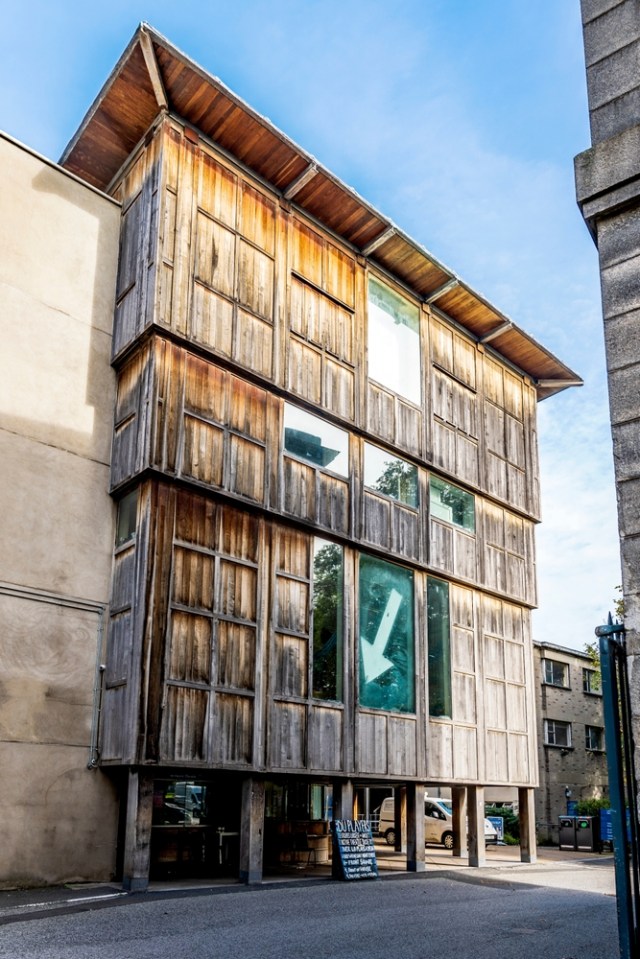
The Samuel Beckett connection can still be explored on campus today. Trinity’s Samuel Beckett Theatre is home to the university’s School of Creative Arts, while Trinity College Library holds a major collection of Beckett material, including correspondence, manuscripts and notebooks.
Visitors following the Samuel Beckett Dublin trail can also look beyond the campus towards one of the most recognisable modern landmarks on the River Liffey.
The Beckett Bridge Connection
Opened in 2009, the Samuel Beckett Bridge is one of Dublin Docklands’ most distinctive landmarks. Named after the Trinity graduate and Nobel Prize-winning writer, the bridge was designed by architect and engineer Santiago Calatrava. Its curved pylon and cables resemble an Irish harp lying on its side, which is why it is often called the “harp bridge in Dublin.” Linking the north and south sides of the River Liffey, it reflects modern Dublin while celebrating one of Ireland’s most influential literary figures.
Bram Stoker’s Dublin
Bram Stoker entered Trinity College Dublin in 1864 at just 16 years old. During his university years, he became an accomplished athlete and an active member of Trinity’s debating societies. He remains the only person to have served as both Auditor of the College Historical Society and President of the University Philosophical Society.
In 1868, Stoker presented an early paper on Sensationalism in Fiction and Society; almost three decades before Dracula was published. Visitors can learn more about how Trinity shaped the writer before Dracula on the Trinity Trails walking tour, where expert guides explore his university years and literary beginnings.
The Bram Stoker Festival
The Bram Stoker Festival returns from Friday 23 to Monday 26 October 2026, bringing four days and nights of Gothic-inspired events to venues across Dublin.
Presented by Dublin City Council, the festival celebrates Stoker’s life, work and influence while drawing inspiration from the Gothic, supernatural, Victorian Dublin and the darker side of the city’s imagination. Previous editions have included theatre, film, outdoor spectacles, family events and performances in unusual locations across Dublin
For visitors planning a Stoker themed trip this autumn, the festival offers a particularly atmospheric time to explore the city. It also brings the Bram Stoker connection to life beyond the pages of Dracula.
The full 2026 programme is due to be announced in late September, with tickets going on sale in the final week of that month. Demand can be high, so visitors planning to attend are advised to book popular events in advance.
Those searching for Bram Stoker Festival events can combine the festival with a visit to Trinity, where the story of the writer before Dracula comes into focus.
Oscar Wilde’s Influence
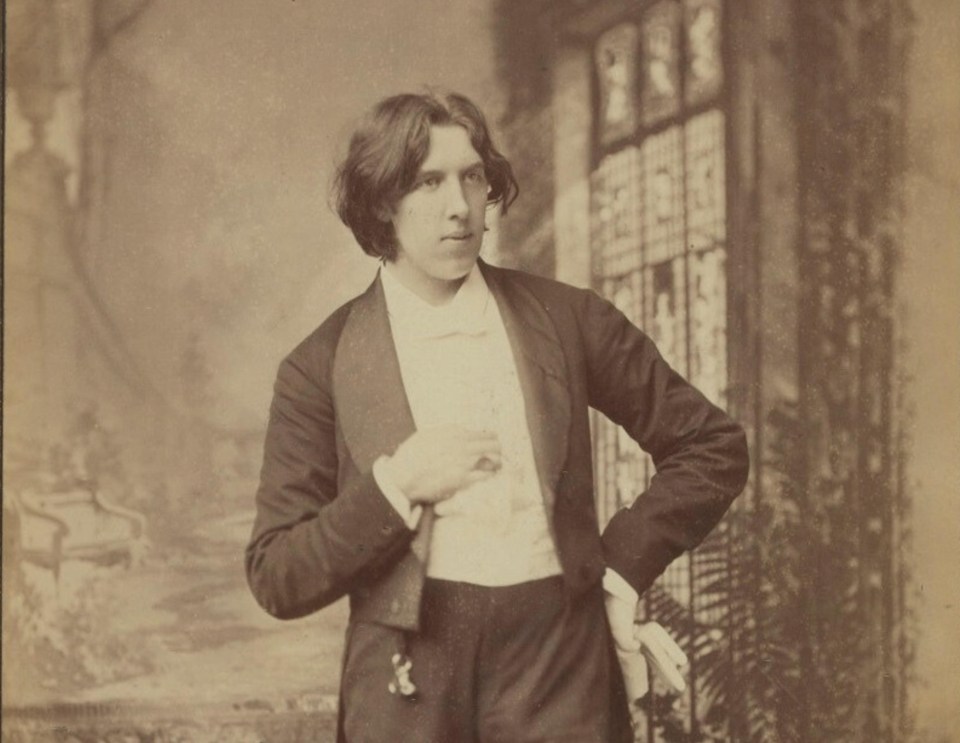
Oscar Wilde arrived at Trinity College Dublin in 1871 to study Classics. During his years at the university he developed the wit, intellectual curiosity and interest in classical culture that would become closely associated with his later writing and public persona.
He went on to become one of the best-known writers of the late nineteenth century, producing works ranging from The Picture of Dorian Gray to The Importance of Being Earnest.
Wilde’s time at Trinity also introduced him to influential scholars including John Pentland Mahaffy, whom Wilde would later describe as an important teacher in the development of his appreciation for classical culture.
Like Stoker, Wilde was involved in Trinity’s student societies and is remembered as part of a remarkable literary generation connected to the university. Today his legacy remains visible both at Trinity and across Dublin, including at the Trinity Oscar Wilde Centre for Irish Writing.
Together, Wilde, Stoker and Beckett show just how varied Trinity’s literary legacy is. Their work spans comedy, Gothic fiction, drama and experimental modernism, but each became part of a Dublin literary tradition that continues to attract readers from around the world.
Explore These Stories with Trinity Trails
The best way to bring these stories together is to explore the places where they happened.
Returning in October 2026, the Trinity Trails Literary Walking Tour takes visitors through the historic buildings, squares and hidden corners associated with some of Trinity’s greatest writers. Led by Trinity student and alumni guides, the tour includes the stories of Samuel Beckett, Bram Stoker, Oscar Wilde, Jonathan Swift and other celebrated literary alumni.
The route begins at the Campanile in Front Square and takes in landmarks including the Graduate Memorial Building, home to Trinity’s historic debating societies, before concluding at the Samuel Beckett Theatre.
For anyone exploring the Samuel Beckett Dublin story or visiting for the Bram Stoker Festival, the Literary Walking Tour offers a chance to experience Dublin’s literary history in the place where these writers once studied.